Blog

Top 10 Commercial Pec Fly Machines for Gyms

Top 10 Commercial Pec Fly Machines for Gyms

Choosing the right Commercial pec fly machine can shape how members train their chest, move through a workout, and share limited floor space. In a busy gym, small details matter: a seat that adjusts without a struggle, handles that feel secure, and a weight stack that moves smoothly. Comfort matters. This guide to the Top 10 Commercial Pec Fly Machines for Gyms compares practical features rather than relying on appearance alone. It considers frame stability, adjustment range, motion feel, footprint, maintenance needs, and the experience of different users. A machine should support controlled repetitions without forcing awkward shoulder positions. Still, comfort and fit vary from person to person, so a showroom trial can reveal issues a product description misses. There is no single best choice for every facility. A compact studio may prioritize a smaller footprint, while a high-traffic fitness center may need durable upholstery and straightforward adjustments. Budget matters, but so do service access and replacement-part availability. These points are easy to overlook. The models ahead offer different strengths and trade-offs. Use the comparisons to build a shortlist, then check manufacturer specifications and warranty terms before purchasing. If possible, test the seat, handles, and resistance path with several users. A ranking can help organize options, but it cannot predict how a machine will feel in your gym.
Read more »
Isla Monroe By:Isla Monroe - November 1, 2026
10 Tips for Buying a Functional Trainer Cable Machine

10 Tips for Buying a Functional Trainer Cable Machine

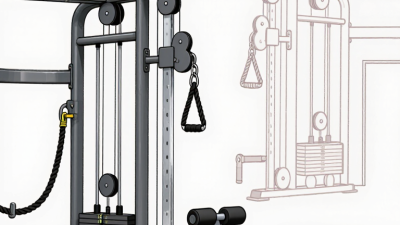
Buying a Functional trainer cable machine can look simple until the details become expensive. A polished frame, bright pulley housings, and a heavy weight stack may attract attention. They do not automatically guarantee smooth training. Dr. Jim Stoppani, a fitness researcher and exercise author, has said, “Cable machines offer constant tension through a wide range of motion.” That principle matters when comparing machines. A useful model should move quietly, track smoothly, and remain stable during presses, rows, rotations, and single-arm exercises. Check the pulley ratio carefully. A two-to-one system may feel lighter, but it can provide faster cable travel. A one-to-one system often delivers more direct resistance. The right choice depends on the room and the user. Measure ceiling height, floor depth, and access through doorways. Leave space for a bench, attachments, and safe movement. Inspect the cable coating, carabiners, guide rods, welds, and adjustment points. Ask about replacement parts and warranty support. These details are easy to ignore. Mistakes happen. Even experienced buyers sometimes focus too heavily on maximum resistance. Smooth adjustment can matter more than an impressive number. A machine with poor ergonomics may collect dust beside the wall. That is not a small failure. This guide presents ten practical tips for choosing a Functional trainer cable machine. It considers construction, safety, versatility, maintenance, user comfort, and long-term value. Some recommendations may seem obvious. They are still worth checking twice.
Read more »
Clara Bennett By:Clara Bennett - October 27, 2026
Why Choose a Cable Crossover Machine for Your Gym?

Why Choose a Cable Crossover Machine for Your Gym?

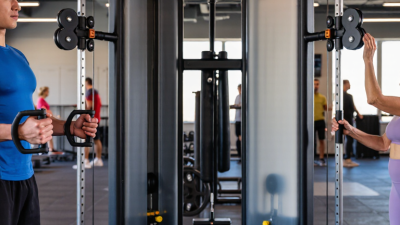
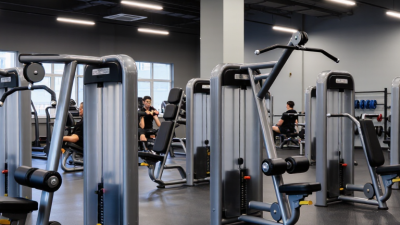
Choosing the right strength equipment shapes how people train, move, and return to the gym. A Cable crossover machine offers adjustable resistance, smooth movement, and many exercise options in one compact station. Users can perform chest presses, flyes, rows, pulldowns, rotations, and controlled rehabilitation movements. That flexibility matters when a gym serves beginners, athletes, and older members. “Resistance training should be challenging, controlled, and specific to the individual,” says Dr. Jim Stoppani, an exercise scientist and fitness industry educator. His view reflects the practical value of a Cable crossover machine. The independent pulley handles allow users to train each side separately. This can expose strength differences that a barbell may hide. Small adjustments can also change the exercise angle, grip, and range of motion. The machine feels approachable. It also demands judgment. A lighter setting may improve technique, while excessive weight can shorten movement and encourage swinging. That weakness should not be ignored. No machine automatically creates effective training. Coaches still need to teach posture, breathing, shoulder control, and gradual progression. They must inspect cables, pulleys, attachments, and weight stacks regularly. For commercial gyms, the appeal extends beyond exercise variety. One station can support personal training, group instruction, and independent workouts. Its vertical design may also preserve valuable floor space. Still, layout, user traffic, maintenance access, and member skill levels deserve careful review. A Cable crossover machine is not merely a purchase. It is a long-term training decision, with benefits that depend on sound programming and consistent supervision.
Read more »
Clara Bennett By:Clara Bennett - October 22, 2026
7 Tips for Buying a Commercial Leg Press Machine

7 Tips for Buying a Commercial Leg Press Machine

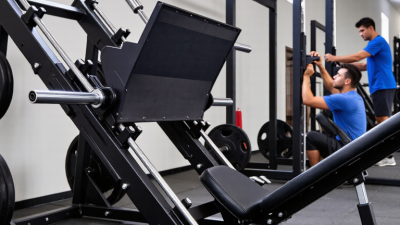
Choosing a commercial leg press machine is not simply a matter of comparing prices or polished product photos. The machine must suit your facility, members, maintenance capacity, and available floor space. In a busy gym, a stable platform, smooth carriage, and comfortable back pad can affect every training session. Small details matter. A thick seat cushion may reduce discomfort during repeated sets, while accessible safety handles can improve user confidence. This guide presents seven practical tips for evaluating construction, weight capacity, movement quality, adjustability, safety, maintenance, and supplier support. It focuses on decisions that can be checked before installation, not promises that sound impressive in a brochure. A closer inspection often reveals more than specifications alone. Ask how the frame was tested, whether replacement parts remain available, and how the warranty handles commercial use. Measure doorways and ceiling clearance before ordering. A powerful machine is still a poor choice if installers cannot position it safely. Consider the plates your gym already owns, because unusual loading requirements can create unnecessary costs. Try the sled with different body sizes when possible. A machine that feels smooth for one tester may feel restrictive for another. No buying checklist is perfect. User preferences, training styles, and repair histories can differ widely. Still, careful comparison helps reduce avoidable mistakes and supports a more reliable investment for your members and staff.
Read more »
Clara Bennett By:Clara Bennett - October 17, 2026
How to Choose an Adjustable Commercial Gym Bench?

How to Choose an Adjustable Commercial Gym Bench?

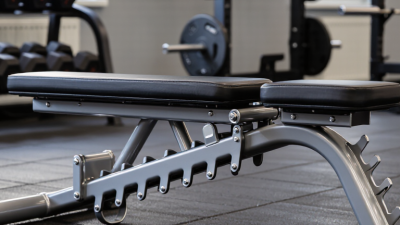
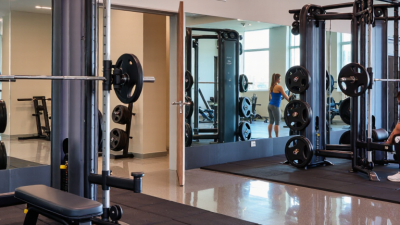
Choosing an Adjustable commercial gym bench requires more than comparing prices, padding thickness, or polished product photos. A reliable decision begins with real training demands. Will the bench support heavy dumbbell presses, incline work, seated shoulder presses, and frequent daily adjustments? In a busy facility, small weaknesses become expensive problems. Loose backrests, narrow bases, and unstable wheels can interrupt workouts and increase maintenance. Dr. Stuart McGill, a respected spine biomechanics researcher, states, “The spine is not a hinge.” His warning matters when evaluating bench design. A suitable bench should keep the user supported while the backrest changes position. Look for a firm pad, stable frame, secure adjustment ladder, and enough seat width for different body types. Check the gap between the seat and backrest, too. A large gap may feel uncomfortable during pressing movements. It may also reduce confidence under load. Hands-on testing remains valuable. Place the bench on rubber flooring and apply pressure near each corner. Notice rocking, frame flex, and awkward handle placement. Test every angle, not just the flat position. Ask how easily staff can clean the upholstery and replace worn parts. Manufacturer load ratings deserve attention, but they should not be accepted blindly. Numbers can hide assumptions about evenly distributed weight. The perfect bench does not exist. I have seen durable models feel uncomfortable, while comfortable models require more maintenance. That trade-off deserves honest consideration. This guide explains how to choose an Adjustable commercial gym bench using safety, usability, construction quality, and long-term operating value.
Read more »
Isla Monroe By:Isla Monroe - October 12, 2026
What Is the Best Olympic Flat Weight Bench?

What Is the Best Olympic Flat Weight Bench?

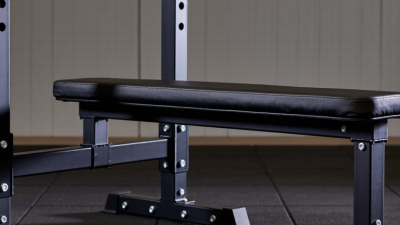
Choosing the right Olympic flat weight bench can shape every pressing session, from a controlled warm-up to a demanding personal record. A sturdy bench should support safe positioning, consistent technique, and confident lifting under realistic training conditions. Yet strength equipment often looks more impressive in photographs than it feels in a home gym. This guide examines the details that matter: frame construction, pad thickness, bench height, weight capacity, stability, and rack compatibility. We consider manufacturer specifications, practical design standards, and the everyday experience of setting a bench on uneven flooring. A wide pad may feel secure, but excessive width can restrict shoulder movement. A heavy frame may improve stability, although it can become inconvenient to move. No bench is perfect. Our evaluation also recognizes that published weight limits do not tell the whole story. Weld quality, hardware design, surface grip, and long-term maintenance deserve attention. We will compare popular models through a practical lens, focusing on lifters who train at home, in commercial gyms, or within compact strength spaces. Small details matter, especially when the bar settles above your chest and the bench must remain completely still. Some impressions may change after repeated use. That is worth admitting. Product photos cannot reveal every squeak, sharp edge, or awkward adjustment. By combining technical evidence with realistic training considerations, this overview aims to identify the best Olympic flat weight bench for different budgets, routines, and lifting goals.
Read more »
Elara Thompson By:Elara Thompson - October 7, 2026
Top China Commercial Smith Machines for Global Buyers

Top China Commercial Smith Machines for Global Buyers

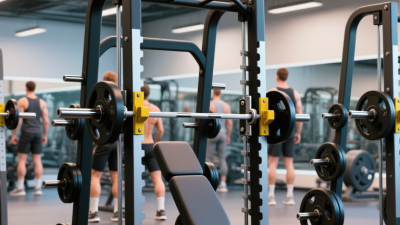
Choosing Commercial Smith machines for international gyms requires more than comparing steel weight and retail prices. Global buyers need equipment that performs reliably under repeated, heavy use. A busy training floor tells the truth. Guide rods should move smoothly, catches should engage quickly, and welds should remain clean after thousands of repetitions. Dr. Brad Schoenfeld, an exercise-science researcher and author, has stated, “There is no one best exercise for everyone.” That principle also applies to Commercial Smith machines. A hotel gym may need a compact frame, while a performance facility may require a heavier carriage, multiple safety positions, and a higher user capacity. The right machine depends on training goals, available space, maintenance support, and local installation conditions. Small details matter. A 2.5-centimetre height adjustment can change exercise comfort. A rough guide rod can discourage regular use. Buyers should inspect frame thickness, bearing design, cable routing, bar travel, warranty coverage, and spare-part availability. Documentation is important too, especially for international shipping, assembly, and regional compliance requirements. Price alone can mislead. Cheap equipment may create higher costs through downtime, replacement parts, or difficult servicing. Still, premium pricing does not guarantee better engineering. This is where buyers must remain careful, and sometimes skeptical. The strongest purchasing decision combines manufacturer experience, transparent testing data, practical user feedback, and dependable after-sales communication. This guide examines leading Chinese options for global buyers, while acknowledging one uncomfortable fact: product quality can vary between models from the same factory. Careful verification remains essential.
Read more »
Clara Bennett By:Clara Bennett - October 2, 2026
7 Best Custom Commercial Power Racks for Gyms?

7 Best Custom Commercial Power Racks for Gyms?

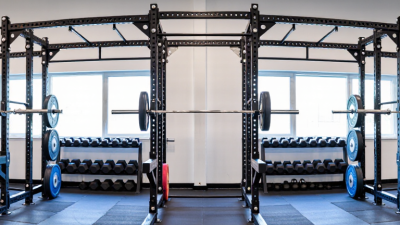
Choosing a power rack is not just a matter of comparing steel gauges or counting attachment points. In a busy gym, the right setup must fit the room, support varied training, and keep daily adjustments straightforward. Custom commercial power racks can be built around those needs, but “custom” does not automatically mean better. Poorly planned dimensions or accessories can waste floor space and complicate use. For this guide, fictional composite equipment specialist Jordan Hale offers a practical design principle: “A rack earns its place when it fits the lifters, the room, and the work.” This is an editorially created quotation, not a sourced interview. The seven options below are assessed through practical criteria: frame dimensions, load capacity, adjustment range, attachment compatibility, finish, and the clarity of manufacturer specifications. Those details matter when a rack must handle repeated sessions, changing users, and limited room around benches or dumbbell stations. Small details count. A pull-up bar that sits too low can frustrate taller athletes. A pin that catches during a busy session becomes more than a minor annoyance. Still, no single model suits every gym. Installation, maintenance, user experience, and budget deserve a closer look, and product specifications should be checked with the manufacturer before purchase. Some comparisons may seem less decisive than expected. That is worth acknowledging: the best choice depends on how the rack will actually be used.
Read more »
Clara Bennett By:Clara Bennett - September 24, 2026
How to Choose Commercial Plate Loaded Equipment in 2026

How to Choose Commercial Plate Loaded Equipment in 2026

Choosing Commercial plate-loaded strength equipment in 2026 is less about filling a room than supporting the people who train in it. A busy club may need durable frames, smooth starting resistance, and clear movement paths. A private studio may value a smaller footprint and faster plate changes. The right choice depends on use, not appearance. Strength coach Dan John’s reminder, “The goal is to keep the goal the goal,” offers a useful lens for buying decisions. His quote is not specifically about equipment; it helps keep selection tied to training needs. Compare intended exercises, user capacity, adjustment points, warranty terms, and access to service. Ask suppliers for model-specific specifications, then inspect welds, handles, safeties, and loading sleeves in person where possible. Details matter. Small things count. A plate-loaded row can look solid in a catalog yet feel awkward when its chest pad sits too high for many members. Likewise, a compact footprint may leave too little room to load plates safely. Measure the training area with users moving through it, not just with equipment drawn on a floor plan. I would not treat one checklist as proof of quality; fit and maintenance history still need judgment. The sections ahead explain how to assess construction, biomechanics, layout, and long-term value without confusing a low purchase price with a sound investment.
Read more »
Clara Bennett By:Clara Bennett - September 24, 2026
Why Choose a Selectorised Lat Pulldown Machine?

Why Choose a Selectorised Lat Pulldown Machine?

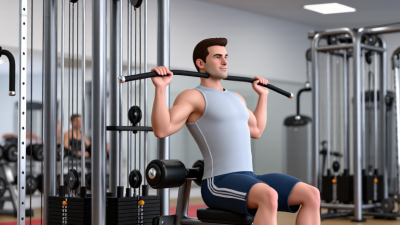
Choosing the right back training equipment affects comfort, technique, and long-term progress. A Selectorised lat pulldown machine offers a controlled way to train the latissimus dorsi, especially for beginners and general fitness users. Its adjustable weight stack allows small, practical increases without loading loose plates. That can make each session easier to track. The guided movement also provides a stable starting point. Users can adjust the seat, thigh pads, and handle position before pulling the bar toward the upper chest. This setup may reduce unnecessary movement and help maintain consistent repetitions. In busy gyms, that consistency is valuable. Coaches often use selectorised machines when teaching scapular control, elbow movement, and steady breathing. Still, this machine is not automatically the best choice for everyone. A fixed path may feel restrictive for users with unusual shoulder mobility or previous discomfort. Poor seat adjustment can also shift tension away from the back. Small details matter. The shoulders should remain controlled, and the bar should not be pulled behind the neck. A Selectorised lat pulldown machine supports measurable training, but it cannot replace thoughtful coaching. Results depend on range of motion, load selection, posture, and recovery. Some users may progress faster with cables, assisted pull-ups, or free-weight exercises. That is worth acknowledging. This guide examines why many gyms choose this equipment, where it performs well, and which limitations deserve attention. The goal is practical judgment, not exaggerated promises.
Read more »
Clara Bennett By:Clara Bennett - September 24, 2026