Choosing Commercial plate-loaded strength equipment in 2026 is less about filling a room than supporting the people who train in it. A busy club may need durable frames, smooth starting resistance, and clear movement paths. A private studio may value a smaller footprint and faster plate changes. The right choice depends on use, not appearance.
Strength coach Dan John’s reminder, “The goal is to keep the goal the goal,” offers a useful lens for buying decisions. His quote is not specifically about equipment; it helps keep selection tied to training needs. Compare intended exercises, user capacity, adjustment points, warranty terms, and access to service. Ask suppliers for model-specific specifications, then inspect welds, handles, safeties, and loading sleeves in person where possible. Details matter.
Small things count.
A plate-loaded row can look solid in a catalog yet feel awkward when its chest pad sits too high for many members. Likewise, a compact footprint may leave too little room to load plates safely. Measure the training area with users moving through it, not just with equipment drawn on a floor plan. I would not treat one checklist as proof of quality; fit and maintenance history still need judgment. The sections ahead explain how to assess construction, biomechanics, layout, and long-term value without confusing a low purchase price with a sound investment.
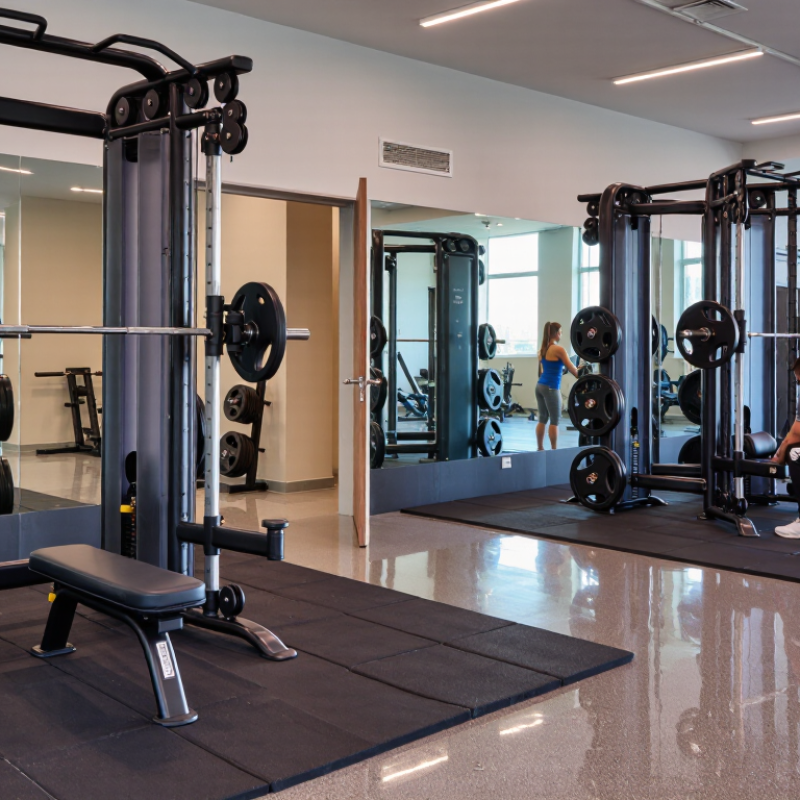
Commercial plate-loaded equipment uses weight plates, lever arms, and pivot points to create resistance. Common examples include chest presses, rows, leg presses, and squat machines. The user loads plates onto storage horns attached to moving arms, then pushes or pulls handles through a set path. Simple, really. Unlike selectorized machines, resistance changes by adding or removing plates. Some designs let each arm move independently; others connect both sides.
The movement path depends on the machine’s geometry, not just its name. A seated chest press, for example, may start with handles near the ribs and finish with the arms extended. Adjust the seat so the handles align comfortably with the chest, then begin with a light load. The plates should move smoothly, without the stack clanking or the user twisting to finish a repetition. This detail is easy to miss.
Industry interest supports the role of free-weight training in commercial fitness. In ACSM’s 2024 worldwide survey of fitness trends, strength training with free weights ranked second among 45 trends. That finding does not measure plate-loaded machine sales, but it signals strong attention to resistance training. For facility planners, the practical question is how each machine fits available floor space, user access, and training needs. Plate-loaded units can feel intuitive, yet they still require clear loading instructions and room for plates. Sometimes the simplest machine is not the easiest one to share.
Choosing commercial plate-loaded equipment starts with the people who will use it, not the number of machines on a supplier’s list. For general strength training, a leg press, chest press, and low row cover familiar movement patterns and are easy to explain to new members. Experienced lifters may value a hack squat or plate-loaded shoulder press for focused loading. Check the machine’s starting resistance, adjustment points, and range of motion before buying. Small details matter. A seat that is hard to adjust can slow busy sessions.
Match each station to your users’ goals and physical needs. A sports club serving varied ages may benefit from stable machines with clear entry and exit paths; a strength-focused facility may need heavier loading capacity and more space around each unit for plate changes. Watch how users move through a trial session. Can they reach the handles comfortably? Does the machine fit shorter and taller users without awkward positioning? Ask staff to test adjustments, too. They notice friction quickly. A neat floor plan can still fail when plates are stored far from the equipment. Forecast peak-hour demand, but leave room to revise the mix; usage patterns rarely match the first spreadsheet perfectly.
Before choosing commercial plate loaded equipment, measure the usable training area, not just the room’s full dimensions. Include space for the machine, a loaded bar, and people moving between stations. A rack may fit on paper but still block a doorway when its arms are extended. Mark equipment footprints on the floor with tape, then test common paths with a loaded training bar.
Plan around traffic and supervision. Place high-use stations where staff can see them, and leave clear routes to exits and storage. Check ceiling height for overhead movements, plus floor capacity and surface condition before installation. Note columns, vents, and power outlets; they can complicate layouts more than expected. Small details matter.
Allow enough clearance for users to load plates safely and adjust seats without striking nearby equipment. Keep plate storage close, but avoid creating a bottleneck beside the busiest stations. A practical layout may need fewer machines than the room can technically hold. That can feel inefficient at first. Revisit the plan with coaches and members, since their real movement patterns often expose problems a floor plan misses.
ADA reference dimensions to consider when planning routes and access around strength-training areas.
The ADA specifies a 32-inch minimum clear door opening, a 36-inch minimum accessible route, and a 60-inch turning-space diameter. These are accessibility reference dimensions, not equipment-spacing recommendations. Check each machine’s specifications and applicable local requirements when finalizing your layout.
How to Choose Commercial Plate Loaded Equipment in 2026
Commercial plate loaded equipment must survive repeated loading, shifting, and cleaning. A polished frame is not proof of durability. Inspect welds, mounting plates, guide rods, and pivot points closely. Uneven weld beads can suggest rushed production. Excessive movement at a pivot is a warning sign.
The 2024 Health & Fitness Association report recorded 72.9 million U.S. fitness facility members in 2023. That volume increases daily equipment stress. ACSM’s 2024 Worldwide Survey ranked free-weight training ninth among global fitness trends. Demand is strong, but safety cannot depend on user caution alone. Choose machines with clear weight markings, stable feet, protected pinch points, and handles that remain secure under load. ASTM F2276 also emphasizes testing and labeling principles for commercial exercise equipment. Ask suppliers for inspection records, rated capacities, and installation instructions.
Maintenance details often decide the long-term cost. Check whether bolts are accessible, upholstery can be replaced, and pivot hardware uses serviceable bushings. Examine coating thickness around plate horns and frame joints. Sweat collects there. It accelerates corrosion. Keep a simple log for torque checks, lubrication, cable inspection, and damaged padding. I sometimes overvalue thick steel during evaluations. That is a mistake. Poor access can make a strong machine expensive to maintain. Test the equipment with real plates, not showroom movement. Listen for clicking. Feel for side-to-side play. Leave room for imperfect users and imperfect maintenance.
| Comparison Dimension | What to Inspect | Useful Evidence or Practical Check | Safety and Maintenance Considerations |
|---|---|---|---|
| Frame construction | Check frame material, member dimensions, weld consistency, and whether the structure feels stable under controlled use. | Review the product specifications and inspect welds, joints, and finish in person where possible. Compare the intended commercial-use rating and warranty terms. | Look for cracks, damaged welds, corrosion, or loose joints during routine inspections. Follow the manufacturer’s inspection and service schedule. |
| Base stability | Assess the footprint, contact points, and resistance to rocking or sliding on the gym’s actual flooring. | Test the unit on a level surface and confirm that the base is suitable for the planned installation area and expected user traffic. | Keep the floor and feet clear of debris. Recheck stability after moving equipment or changing its location. |
| Moving-arm and pivot design | Check pivot smoothness, arm alignment, side-to-side movement, and whether the motion path feels controlled throughout its range. | Move the arms through their full range without plates. Listen for unusual noise and look for binding, excess play, or contact between parts. | Inspect pivot points and fasteners for wear or loosening. Lubricate only where and how the manufacturer specifies. |
| Plate horns and loading capacity | Compare the number, length, and diameter of plate-storage or loading horns with the plates used at the facility. | Confirm plate compatibility and the manufacturer’s stated capacity. Check that collars or other intended retention devices fit securely. | Load plates evenly when the equipment instructions require it. Secure plates as directed and avoid exceeding the published capacity. |
| Stops and safety features | Identify start-position adjustments, range-of-motion stops, and any independent safety catches provided for the exercise. | Verify that adjustments engage positively and can be reached and set correctly by the intended users. Do not assume every machine includes safety stops. | Check stops and catches before use. Remove equipment from service if a safety component is damaged, missing, or fails to engage. |
| Adjustability and user fit | Review seat, back pad, footplate, and handle adjustments, including the available settings and ease of changing them. | Have users of different body sizes test the setup. Confirm that adjustment pins or locking mechanisms hold securely under normal use. | Inspect pins, knobs, and adjustment holes for wear or damage. Keep moving adjustment parts clean and unobstructed. |
| Handles and contact surfaces | Evaluate grip diameter, surface texture, handle security, and the condition of upholstery and padding. | Check that grips do not rotate unexpectedly and that upholstery seams, foam, and covers are suitable for frequent cleaning. | Clean high-contact surfaces with products compatible with the materials. Repair torn upholstery or loose handles promptly. |
| Finish and corrosion resistance | Inspect coating coverage on the frame and look for exposed metal, sharp edges, or finish damage around joints and high-contact areas. | Compare the specified finish and any care instructions. Consider the facility’s humidity, cleaning practices, and storage conditions. | Wipe away moisture and cleaning residue. Touch up or repair damaged finishes according to the manufacturer’s guidance. |
| Installation and clearance | Compare equipment dimensions with the available floor area, access routes, and space needed for user movement and plate changes. | Use the manufacturer’s dimensions and installation instructions. Measure doorways, delivery routes, and the intended operating area before ordering. | Install on a suitable, level surface and preserve required clearances. Reassess spacing if nearby equipment or traffic patterns change. |
| Routine maintenance access | Check whether pivots, fasteners, adjustment parts, and other service points are accessible for inspection and care. | Review the maintenance manual for inspection frequency, required tools, approved lubricants, and any service tasks reserved for qualified technicians. | Keep a written inspection log. Tighten, lubricate, or replace parts only as instructed, and document repairs and recurring issues. |
| Parts, warranty, and support | Compare warranty coverage, exclusions, replacement-part availability, and the process for reporting a fault. | Read the written warranty and service terms, including commercial-use coverage. Ask how parts are identified and ordered. | Record the model and serial information at installation. Clear support procedures can reduce downtime when a repair is needed. |
| Purchase decision | Balance construction, safe operation, user fit, space requirements, support, and the expected maintenance workload. | Use the same checklist for each candidate and compare documented specifications with an in-person test where available. | Prioritize equipment that can be inspected and maintained consistently by the facility’s staff, following its instructions for use. |
When choosing commercial plate loaded equipment in 2026, evaluate the full cost, not only the catalog price. A low quote can be misleading. Request separate figures for shipping, installation, flooring protection, taxes, and replacement plates. Compare the cost per training station, not just the cost per machine. I also check frame thickness, weld quality, adjustment points, and load capacity through technical documents. A glossy finish means little if the equipment feels unstable during repeated use.
Read the warranty before signing. Confirm coverage for frames, welds, bearings, upholstery, cables, and moving hardware. Ask whether labor and freight are included. Some warranties look generous but exclude commercial use or intensive daily operation. That detail matters. I once focused too heavily on the warranty length and missed a narrow parts clause. It was a useful mistake, but an expensive one.
Supplier support should be tested before purchase. Ask for an average response time, spare-parts availability, service procedures, and written maintenance guidance. Request references from facilities with similar traffic and operating hours. A reliable supplier should explain what happens after delivery, including damaged components and delayed parts. Keep every promise in writing. One weakness remains: support quality can change after the sale, so build a contingency budget for routine repairs and unexpected downtime.
It uses weight plates, lever arms, and pivot points to create resistance. Users load plates onto storage horns, then push or pull handles along a guided path. It sounds simple. The machine’s geometry controls the movement.
Plate-loaded machines change resistance by adding or removing weight plates. Selectorized machines usually use a pin-adjusted weight stack. Plate loading feels familiar, but it requires storage space and clear instructions. That extra handling can slow busy sessions.
Leg presses, chest presses, and low rows cover common movement patterns. They are usually easy for new members to understand. Experienced lifters may prefer hack squats or plate-loaded shoulder presses. The best mix depends on actual user behavior, not a supplier’s list.
Adjust the seat until the handles align comfortably with your chest. Start with a light load and test the movement. The handles should travel smoothly without twisting your torso. Do not ignore small discomforts.
Check starting resistance, adjustment points, range of motion, and loading capacity. Test whether shorter and taller users can reach the handles comfortably. Staff should try every adjustment. They often notice stiff seats or awkward entry paths quickly.
Measure the usable training area, not only the room’s full dimensions. Include the machine, loaded plates, moving arms, and walking routes. A machine may fit on paper but block a doorway when extended. Floor tape can reveal the problem.
Keep plate storage close enough for safe and efficient loading. Avoid placing it beside the busiest walkway or station. A nearby storage horn reduces carrying distance. Too much storage can still create a bottleneck.
Check ceiling height, floor capacity, surface condition, columns, vents, and power outlets. Leave clearance for seat adjustments and plate changes. Place popular stations where staff can supervise them. A neat floor plan may still fail during peak hours.
Not necessarily. Fewer machines may improve movement, supervision, and user access. Test routes with a loaded training bar before installation. Review the layout with coaches and members, because the first plan may be wrong.
Choosing commercial plate-loaded equipment in 2026 starts with understanding how these machines use weight plates to provide adjustable resistance for strength training. The right selection depends on your users and training goals: consider whether the facility needs equipment for beginners, experienced lifters, general strength development, or targeted muscle training. Commercial plate-loaded strength equipment should also fit the available floor space, allow safe movement around each station, and support a practical layout that keeps training areas accessible.
Before purchasing, compare frame construction, stability, adjustment features, and the ease of inspecting and maintaining each unit. Review the total cost, including delivery, installation, replacement parts, warranty coverage, and ongoing service. Clear supplier support can help reduce downtime and make routine upkeep more manageable. By balancing training needs, facility requirements, durability, safety, and long-term costs, operators can choose equipment that serves their members reliably without overfilling the space or exceeding the budget.