Explore our heavy-duty plate-loaded machines, selectorised stacks, and power cages custom-built for Seattle's commercial fitness operators.
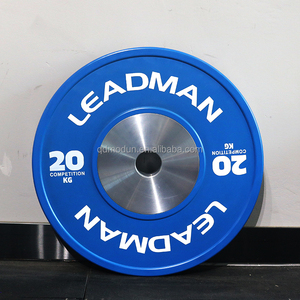
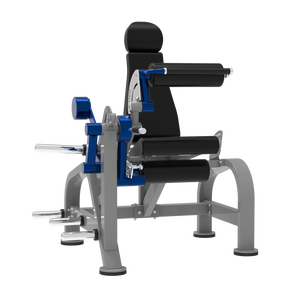
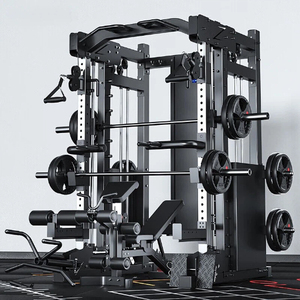
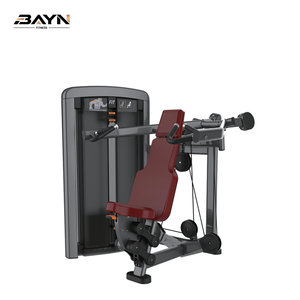
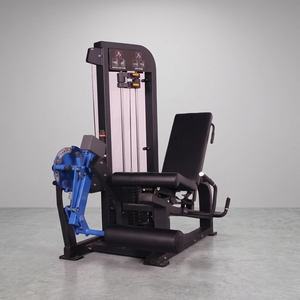
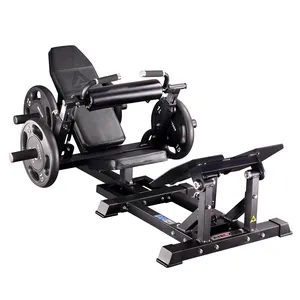
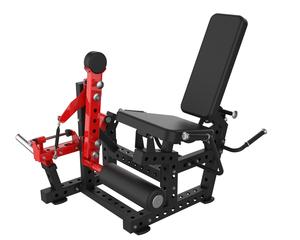
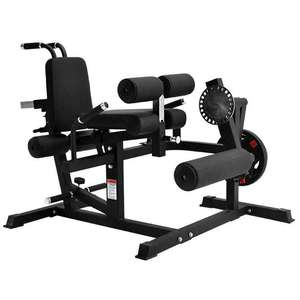
The Seattle commercial gym ecosystem—spanning downtown high-density multi-tenant commercial complexes in South Lake Union, boutique strength hubs in Capitol Hill and Ballard, to sprawling corporate wellness campuses across Bellevue and Redmond—demands strength equipment designed for heavy daily usage, precise bio-mechanics, and aggressive spatial efficiency.
Companies headquartered in the Seattle metro region prioritize ultra-durable, low-maintenance equipment for employee health facilities. Our plate-loaded systems feature zero-cable degradation pathways and heavy-gauge structural steel to minimize operational downtime.
Seattle’s coastal marine environment creates localized atmospheric humidity. We utilize dual-stage electrostatic powder coating over thermoset anti-corrosion primer to prevent surface oxidation, rust bleed, and structural fatigue over long lifecycle deployments.
Commercial real estate rates in King County require maximum revenue per square foot. Our customized dual-function machines and compact plate-loaded converging/diverging footprint designs allow facilities to deliver comprehensive movement planes without floor congestion.
Recent analytical data from Pacific Northwest health club operators indicates a 42% increase in floor-space allocation specifically for plate-loaded strength equipment and heavy-duty squat racks over traditional cardiovascular zones. Gym members in Seattle demand authentic biomechanical feel, variable resistance profiles, and heavy loading limits that standard retail machines fail to deliver.
As a direct original equipment manufacturer (OEM) and original design manufacturer (ODM), we control the complete engineering pipeline—from CAD structural simulations to laser cutting, robotic welding, and final load testing.
| Engineering Parameter | HARTIS Commercial OEM Standard | Industry Standard Competitors | Seattle Operator Benefit |
|---|---|---|---|
| Structural Steel Tube | 11-Gauge (3.0mm) to 8-Gauge Q235 / Q345 Heavy Structural Steel | 14-Gauge (2.0mm) Light Commercial Steel | Zero frame flex under maximum working load (rated to 600kg+ per arm). |
| Welding Integrity | 360° Full-Penetration Robotic MIG Welding with Sealed Joints | Intermittent manual tack welding | Eliminates structural weld seam fractures during high-impact heavy drops. |
| Pivots & Bearings | Japanese NSK Heavy-Duty Sealed Pillow Block & Flange Bearings | Generic unsealed bushings | Fluid friction-free movement path; maintenance-free operation for millions of cycles. |
| Upholstery Construction | High-Density Molded PU Foam with Antibacterial Commercial Vinyl | Cut block foam with thin synthetic vinyl | Resists tearing, moisture absorption from sweat, and bottoming-out deformation. |
| Custom Finishing | 40+ RAL Powder Coat Colors with Custom Brand Logo Laser Etching | 2–3 stock finish options | Enables complete facility branding alignment for Seattle gym owners. |
Our engineering team designs independent movement arms with converging and diverging axes that match human muscle origin and insertion angles. This provides uniform mechanical resistance throughout the entire strength curve.
Looking to launch a unique brand line for a Seattle gym chain? We transform 2D conceptual renders into physical 3D prototypes within 21 days, including dynamic force testing and finite element analysis (FEA).
We handle all export customs, oceanic shipping to the Port of Seattle/Port of Tacoma, domestic inland drayage, import tariffs, and door-to-door tail-lift delivery directly to your facility site with no surprise charges.
HARTIS Strength (operated under OÜ Prof Gym Equipment) was built on over ten years of commercial gym equipment engineering, facility planning, and international supply chain distribution.
Founded by Vasyl Ilkiv, our team previously managed the refurbishing, distribution, and custom fitting of over 100+ full commercial gym facilities across Europe and North America. That decade of practical experience highlighted the systemic pain points gym owners face: structural frame failures, poor component availability, and hidden shipping costs.
"When a machine breaks down on a commercial gym floor, it costs the operator member trust. That is why we engineer zero-failure pivot points and stock all wear parts in permanent warehouse rotation."
— Vasyl Ilkiv, Founder & OwnerDirect information for facility managers, athletic directors, and commercial gym buyers in the Greater Seattle area.
