Precision-engineered quad isolation and dual leg curl systems certified under EN ISO 20957 Class S standards.
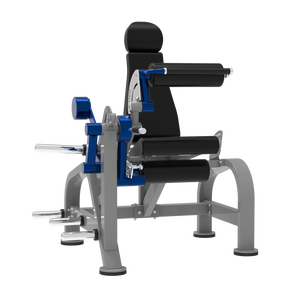
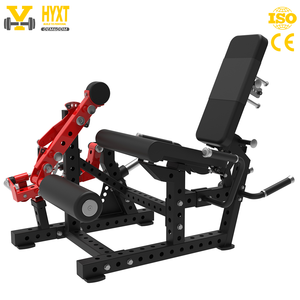
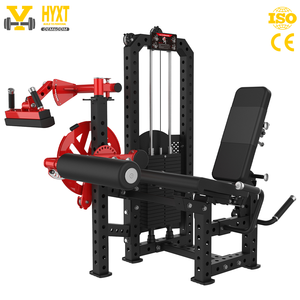
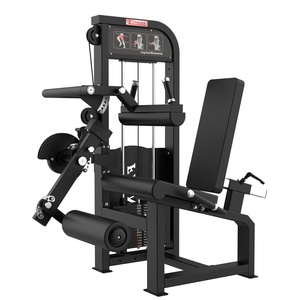
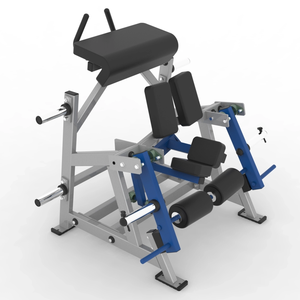
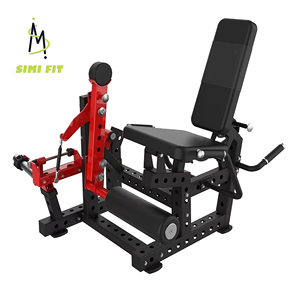
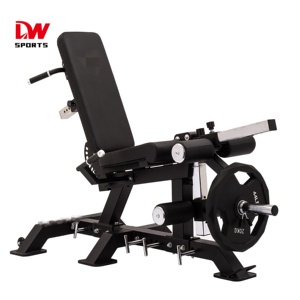
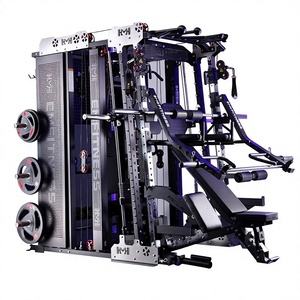
Strategic analysis of gym expansion across Karachi, Lahore, Islamabad, and institutional sports sector dynamics.
The Pakistani fitness industry is experiencing an unprecedented structural boom. High-density urban centers—including Karachi (DHA, Clifton, Gulshan-e-Iqbal), Lahore (Gulberg, DHA Phases 5–8, Model Town), and Islamabad (F-6, F-7, Centaurus, DHA)—are witnessing a rapid shift from basic muscle-pit facilities to ultra-premium commercial health clubs and multi-chain fitness franchises. As gym operators compete for high-yield memberships, the demand for heavy-duty, biomechanically correct leg strength machinery has reached a historical peak.
Historically, Pakistani gym owners relied on localized fabrications produced in Sialkot, Gujranwala, or Lahore. While local steel smiths excel at basic welding, traditional domestic leg extension units frequently suffer from severe biomechanical flaws: non-linear cam curves, incorrect pivot alignment relative to the human knee joint center of rotation, and inadequate frame gauge thickness that leads to frame twisting under heavy loads exceeding 80 kg. This creates joint shear forces, increased member injury rates, and frequent mechanical failure of bushings and cables under high-volume commercial utilization.
Pakistani gym owners are abandoning lightweight 14-gauge tubing in favor of 11-gauge (3.0mm wall thickness) Q235 structural steel to withstand heavy powerlifting and bodybuilding usage.
Coastal humidity in Karachi accelerates oxidation. Advanced electrostatic powder coating with pre-treatment zinc phosphate primers has become mandatory to prevent frame rust.
With real estate costs rising rapidly in Islamabad and Lahore, dual-function Leg Extension & Seated Leg Curl combinations allow operators to double floor space efficiency without compromising quad/hamstring biomechanics.
An in-depth structural analysis of variable torque cam profiles, knee joint axis synchronization, and structural steel integrity.
The human leg extension movement isolates the Quadriceps Femoris muscle group (Rectus Femoris, Vastus Lateralis, Vastus Medialis, and Vastus Intermedius). However, because the knee is a modified hinge joint with a dynamic center of rotation that shifts along a trochlear path during flexion and extension, a poorly engineered leg extension machine exerts dangerous anterior shear stress on the Anterior Cruciate Ligament (ACL) and patellofemoral cartilage.
HARTIS Strength leg extension machines address this fundamental physiological challenge through three engineered components:
Every commercial leg extension machine built under our supervision utilizes heavy-wall structural tubing subjected to finite element analysis (FEA) to eliminate frame deflection under extreme load stacks:
| Mechanical Parameter | Standard Commercial Specification | HARTIS Heavy-Duty Export Grade | Impact on Pakistani Commercial Gyms |
|---|---|---|---|
| Main Frame Tubing | 50x100mm, 2.0mm Wall Thickness | 60x120mm, 3.0mm (11-Gauge) Q235 Steel | Zero frame flex under maximum weight stack extension; lifetime structural stability. |
| Pivot Axis Bearings | Bronze Bushings or Grade-B Bearings | Sealed Japanese NSK Double Ball Bearings | Ultra-smooth rotational movement; completely impervious to dust, sand, and ambient grit. |
| Cable System | 4.8mm PVC Coated Steel Cable | 6.0mm Military-Grade Aircraft Cable (2,200 lbs) | Eliminates sudden cable snap accidents in high-intensity commercial training facilities. |
| Weight Stack Guide Rods | Standard Chrome-Plated Steel | Solid Stainless Steel Hard-Chrome Plated (25mm) | Corrosion resistance against high humidity in Karachi & coastal regions; zero stick-slip. |
| Upholstery Construction | Standard PU Synthetic Leather | High-Density Molded Foam with Anti-Microbial Vinyl | Resists sweat-induced cracking, tearing, and bacterial accumulation under heavy daily use. |
Direct manufacturer accountability, EU component standards, and stress-free DDP logistics into Pakistan.
HARTIS Strength (legal entity OÜ Prof Gym Equipment, Estonia) was established to eliminate the friction, hidden fees, and poor warranty enforcement that gym buyers face when importing gym equipment from overseas. Led by founder Vasyl Ilkiv, who spent over a decade supplying commercial strength equipment across European and Asian markets, HARTIS Strength controls every step of design, material selection, robotic welding, electro-static coating, and final load testing.
When you purchase commercial leg extensions or fit out a full facility through us for export to Pakistan, you are dealing directly with the engineering owner—not a trading agent or intermediary reseller.
Importing commercial fitness equipment into Pakistan historically involved complex customs clearing processes at Karachi Port (Qasim / Keamari), unexpected demurrage charges, local agent fees, and navigating Pakistan Customs Tariff (HS Code 9506.91.00 - Gymnasium & Athletics Equipment).
HARTIS Strength solves this administrative burden by offering complete DDP (Delivered Duty Paid) terms for Pakistani gym operators, institutional buyers, and commercial equipment dealers:
Essential information for Pakistani gym owners, procurement managers, and commercial distributors.
Production takes 30 to 60 days from order confirmation to final pre-shipment quality approval. Ocean freight from our factory hub to Karachi Port typically takes 22 to 30 days. Total door-to-gym floor turnaround for Pakistani clients averages 9 to 11 weeks on complete DDP terms.
Commercial leg extension machines and general strength equipment are classified under Pakistan Customs HS Code 9506.91.00 (Articles and equipment for general physical exercise, gymnastics, or athletics). On DDP terms, HARTIS handles all duty calculations and customs documentation clearance.
There is no minimum order quantity in units for standard finish equipment. You can order a single commercial leg extension unit or full strength floor packages. For custom RAL frame powder coating, a minimum order of 6 units applies across your selected order mix.
Our equipment undergoes a multi-stage surface treatment including sandblasting, zinc-phosphate anti-corrosion chemical wash, and a dual-layer electrostatic powder coating cured at 200°C. Weight stack guide rods are solid stainless steel with hard-chrome plating to prevent pitting and rust in humid environments.
Selectorized machines (e.g., GC-5055-1) are preferred for general fitness members who demand fast weight adjustments via magnetic stack pins. Plate-loaded units (e.g., SM RP Series) are ideal for hardcore bodybuilding facilities in Lahore and Rawalpindi due to their zero-maintenance design and capability to handle massive plate weight loads.
All wear parts utilize standard international industrial dimensions (NSK/SKF bearings, standard aircraft cables). Replacements can be sourced locally in major Pakistani industrial markets (Lahore, Karachi) or shipped direct from our EU spare parts stock in 5 working days under warranty.
Yes. Simply send us your room dimensions or CAD floor plan. Our engineering team provides a scaled 2D/3D layout, equipment list recommendation, and an all-inclusive DDP quote free of charge within 2 working days.
Order terms are 30% deposit upon contract confirmation and booking of your production line slot, with the remaining 70% balance payable upon completion and pre-shipment inspection approval before export dispatch.
Whether you are opening a 300 m² commercial fitness center in Lahore, expanding a gym chain in Karachi, or stocking an institutional athletic center in Islamabad—get direct factory pricing and complete 3D layout planning today.
