
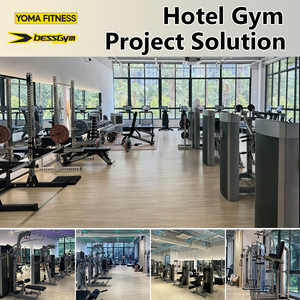
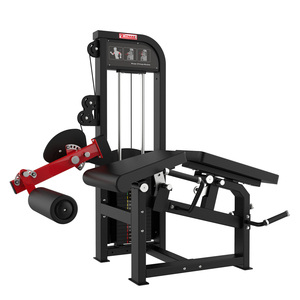
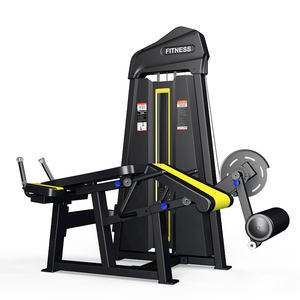
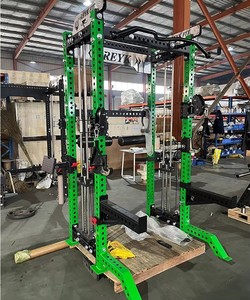
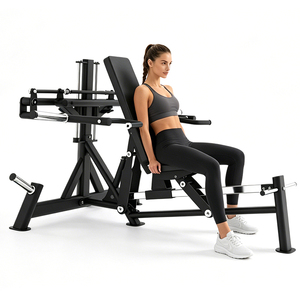
Explore our flagship commercial strength equipment, precision-engineered to EN ISO 20957 Class S standards for high-traffic gym environments.
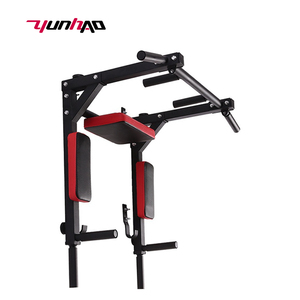
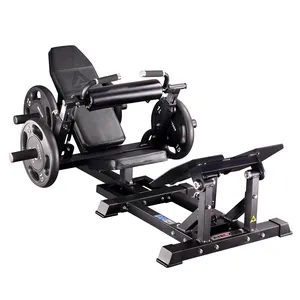
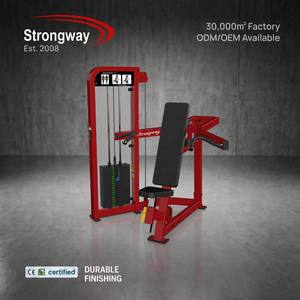
In the modern commercial fitness industry, procurement directors, club operators, and regional distributors no longer evaluate free weights solely on price per kilogram. The industry has shifted toward Cast Polyurethane (CPU) engineering metrics, total cost of ownership (TCO) optimization, and strict regulatory compliance.
Standard rubber-coated dumbbells present severe operational liabilities: pungent chemical off-gassing (VOCs), surface degradation under UV exposure, and structural head detachment caused by weak press-fit metal inserts. High-volume commercial facilities require dumbbells capable of sustaining millions of high-impact drops without micro-fracturing or cosmetic wear.
Understanding the molecular dynamics and manufacturing chemistry behind commercial dumbbell coatings is critical for long-term ROI.
| Performance Specification | Cast Polyurethane (CPU) | Thermoplastic Polyurethane (TPU) | Vulcanized Rubber |
|---|---|---|---|
| Chemical Structure | Thermosetting 3D Cross-Linked Polymer | Linear Thermoplastic Block Copolymer | Sulfur-Crosslinked Elastomer |
| Tear & Tensile Strength | Ultra-High (>55 MPa) | Moderate (30-40 MPa) | Low (15-25 MPa) |
| Chemical Off-Gassing (Odor) | Zero VOC / Odorless | Minimal Odor | High (Polycyclic Aromatic Hydrocarbons) |
| Impact Resistance (Drop Test) | 100,000+ Drops @ 2m | 25,000 Drops @ 2m | <10,000 Drops (Cracking risk) |
| UV & Ozone Degradation | Non-Yellowing / Impervious | Slight Yellowing Over Time | Severe Oxidation & Cracking |
| Expected Commercial Lifecycle | 7 to 12 Years | 3 to 5 Years | 1 to 3 Years |
A technical assessment framework used by global fitness equipment buyers to audit B2B manufacturing plants and exporters in 2025.
Leading factories utilize friction welding or full-penetration robotic TIG welding combined with heavy press-fitting. This eliminates the catastrophic risk of dumbbell heads separating from handles during overhead dumbbell presses.
Automated polyurethane metering machines ensure exact stoichiometry between polyols and diisocyanates. Precise chemical formulation prevents soft spots, air bubble inclusions, and premature surface degradation.
Tier-1 exporters machine solid steel cores on precision CNC lathes prior to polyurethane encapsulation, guaranteeing weight calibration within strict commercial limits (+/- 1% of stated mass).
Superior factories apply 25–30 micron hard chrome plating or Physical Vapor Deposition (PVD) to steel handles, preventing salt spray corrosion, sweat erosion, and flaking in coastal fitness facilities.
Modern CPU dumbbell manufacturing incorporates custom color-filled polyurethane laser etching or molded brand graphics that never rub off, allowing gym franchises to reinforce visual brand identity.
Leading exporters provide end-to-end Delivered Duty Paid (DDP) freight services, managing customs clearance, import tariffs, port handling, and last-mile tail-lift offloading straight to the gym floor.
An overview of the dominant manufacturing centers and OEM producers supplying the worldwide fitness market in 2025.
China remains the undisputed epicenter for volume production of CPU urethane dumbbells. Factories in Dezhou and Nantong house multi-axis industrial casting machinery, producing thousands of metric tons of free weights monthly for international brand licensing.
For European operators and global luxury projects demanding uncompromised compliance, HARTIS Strength (OÜ Prof Gym Equipment) delivers full EN ISO 20957 Class S commercial strength packages. Operating under Estonian registration with founder Vasyl Ilkiv’s decade of commercial equipment experience, HARTIS combines custom CPU urethane free weights with bespoke selectorised and plate-loaded frames.
US and Canadian suppliers focus on high-spec custom CPU dumbbells featuring patented anti-roll geometric heads, intricate knurling patterns, and military-grade PVD coatings engineered for elite collegiate and professional sports facilities.
When auditing potential CPU dumbbell exporters, international procurement teams score suppliers across 5 critical dimensions:
Key technological advancements transforming urethane dumbbell manufacturing and facility design over the next decade.
Environmental regulations and corporate ESG mandates are accelerating the adoption of bio-polyols derived from renewable plant oils, reducing the carbon footprint of CPU casting by up to 35% without sacrificing tear strength.
Post-pandemic facility hygiene requirements have led to silver-ion impregnated polyurethane compounds that actively inhibit 99.9% of bacterial growth and fungus on dumbbell surfaces between member cleanings.
Enterprise commercial gyms and military training facilities are embedding passive UHF RFID microchips directly inside the polyurethane casting, enabling real-time inventory counts, anti-theft tracking, and automated usage logging.
OÜ Prof Gym Equipment (HARTIS Strength), registered in Harju maakond, Estonia, operates with a clear mission: eliminate the supply chain friction, hidden customs fees, and warranty unreliability that plague commercial gym operators.
Founded by Vasyl Ilkiv, who spent a decade delivering over 100+ commercial equipment sets across Europe under Pro Gym Equipment, HARTIS provides complete, direct-from-manufacturer strength ecosystems.
Technical guidance for commercial gym owners, hotel developers, and equipment distributors.
Cast Polyurethane (CPU) is a liquid-thermoset resin poured into molds and cured at high temperatures, creating a dense, non-porous 3D molecular matrix. CPU offers superior tear strength, zero VOC odor, and extreme resistance to dropping impacts. Thermoplastic Polyurethane (TPU) is injection-molded plastic that is less durable, prone to yellowing, and more susceptible to peeling off the metal handle under high-volume commercial use.
Low-grade rubber dumbbells contain volatile organic compounds (VOCs) and polycyclic aromatic hydrocarbons (PAHs) that emit a strong, unpleasant sulfur/petroleum odor. In enclosed commercial or hotel gyms, off-gassing causes poor indoor air quality, member complaints, and potential health hazards. CPU urethane is completely inert, non-toxic, and 100% odor-free.
For standard CPU dumbbell sets in stock finishes, there are no minimum order quantities in units. For custom frame powder-coating or custom color-infused laser-etched logos, most factories require a minimum production run of 6 units/sets or a complete gym equipment package order.
Under DDP terms, the seller takes full responsibility for sea freight, export documentation, customs brokerage, import tariffs/taxes, and final transport to your facility. This prevents unexpected port demurrage charges, tariff surprises, or logistics headaches for the buyer—the landed price agreed upon is the final price paid.
Commercial gym equipment installed in public, enterprise, or institutional facilities should comply with EN ISO 20957-1 Class S (Stationary Training Equipment - Commercial Use). This certification verifies structural safety factors, load capacity, cable tensile strength, and pinch-point hazards.
Submit your room dimensions, preferred equipment mix, and target opening date. Our engineering team will return a scaled 3D gym layout and landed DDP quote within 3 working days.